
World Wildlife Day: Honouring Veterinary Conservation
05 Mar 2026
Each year on 3 March, we celebrate World Wildlife Day (WWD), an occasion dedicated to recognising the unique roles and contributions of wild animals and plants to people and the planet.
The Australian Veterinary Conservation Biology (AVCB) Group promotes the role of veterinarians in conserving biodiversity and supporting ecosystem health. Its members work at the intersection of wildlife health, conservation science, and One Health; advancing research, education, and policy to safeguard animal populations and the environments they depend on.
One of the most meaningful ways the AVCB celebrates excellence in this field is through the Tony English Award, which recognises outstanding lifetime contributions to veterinary conservation biology. Each recipient is selected by the AVCB Executive Committee for their impact on wildlife health, research, and conservation practice, with the award presented at the group’s annual meeting or following the Tony English Lecture.
This year’s recipient, Associate Professor Wayne Boardman, reflects the spirit of the award perfectly.
“What a delightful and unexpected honour to receive the Tony English Award for a lifetime contribution to veterinary conservation biology,” he reflected. “Funny thing is I feel like I am only halfway through my career!” he said.
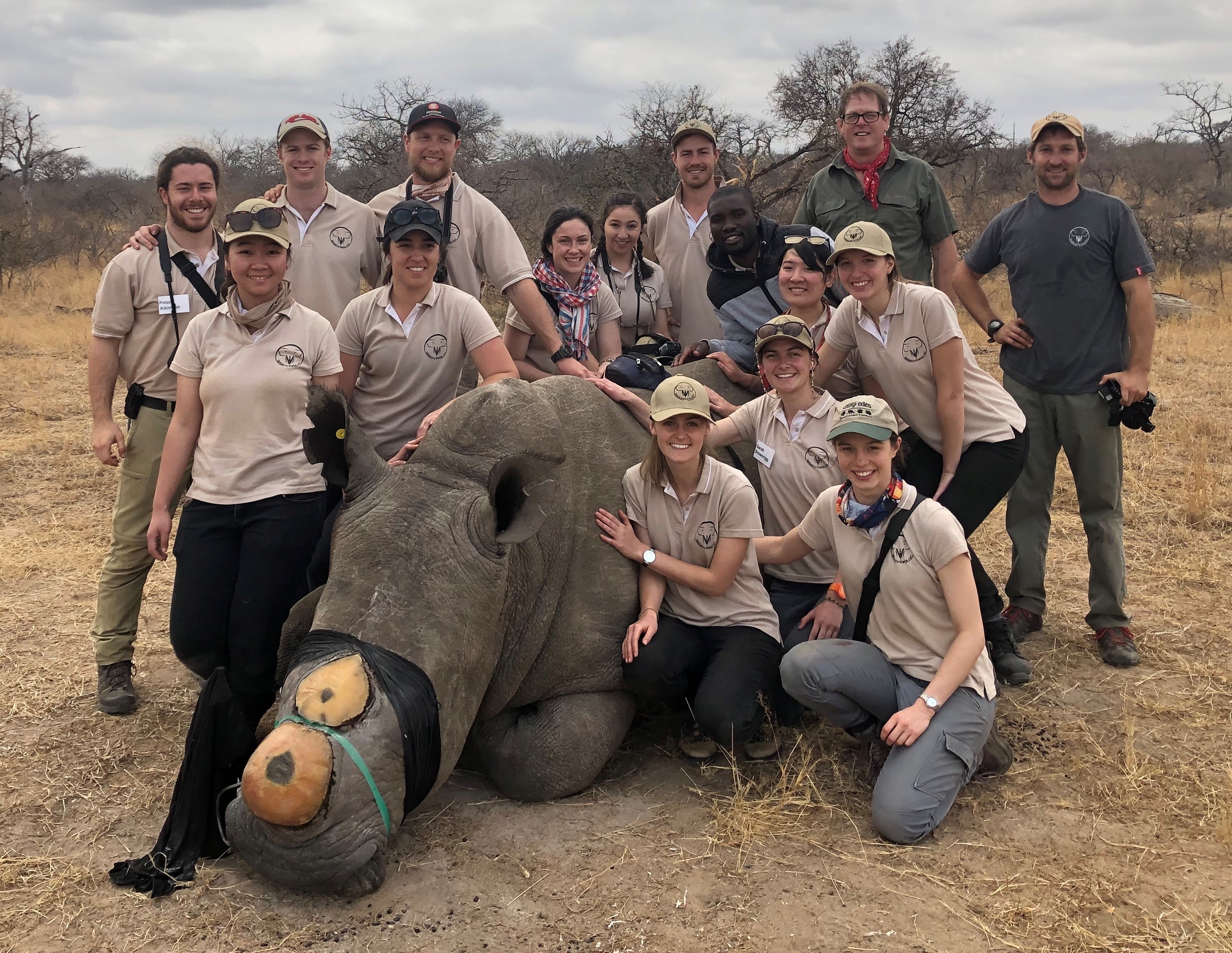
A respected academic and wildlife veterinarian, Associate Professor Boardman has carved a global career spanning zoo medicine, field research, and education. At the University of Adelaide, he has built courses on wildlife health, biodiversity, One Health and ecosystem health. Since 2013, he has led immersive student programs in South Africa on biosecurity and conservation medicine, and now One Health, with nearly 40% of the school’s graduates participating.
His academic record is equally distinguished, with 98 peer‑reviewed articles, one book, and 10 book chapters, including a reflection on his veterinary encounters with mountain gorillas in Wild Science, as well as over 80 conference proceedings.
“During my career, I have transitioned from being a zoo vet, to a wildlife vet, to the unexpected fulfilment of being an academic,” he said. “I have aspired to inspire our students at Adelaide University through a full course on wildlife health, one health, veterinary conservation biology, biodiversity and ecosystem health.”

From Africa to Asia and the Pacific, his research has taken him across continents, contributing to the care and study of species as diverse as elephants, rhinos, koalas, chimpanzees, tuatara, and flying foxes. His current projects include supervising PhD students investigating the health of quolls, orangutans, and bettongs, as well as studying antimicrobial resistance and wildlife anaesthesia.
“Tony was such a wonderful, inspiring, thought-provoking friend and colleague who viewed the veterinary landscape with an eye for the future. It was a privilege to act as secretary/treasurer for the AVCB in the mid-nineties and it is wonderful to be honoured in his name.”
Looking ahead, Associate Professor Boardman emphasises the vital and growing role of veterinarians in global conservation efforts.
“There is still much more to do. Veterinarian’s contribution to wild animal health, one health and supporting the health of our planet can only grow - we are well qualified and we must work together to save our species, reintroduce wild animals and rewild our planet, and be at the forefront of supporting our ecosystems as climate change unfolds before us.”